
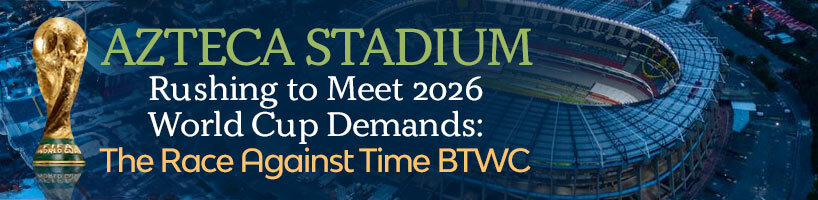
Azteca Stadium, a monumental backdrop for soccer history and memories, is in the throes of a sprint against time. The venue, which once vibrated with the roars of adoring fans, is now hustling to meet strict FIFA requirements that stand between its legacy and the first game of the 2026 World Cup. This is the story unfolding — of tenuous schedules, architectural ambitions, and the indomitable spirit of an iconic stadium. In the colossal spectacle that is the FIFA World Cup, stadiums are the beating heart, and the Azteca Stadium has been a fixture—a stage for countless heroes and upsets on the global soccer stage. Yet, as this 2026 World Cup looms, Azteca Stadium finds itself in a predicament.
A Test of Renovation
When FIFA’s emissaries conducted their rigorous assessment, the Azteca Stadium — a precious relic of Mexican soccer heritage — was dealt a blow. The verdict was stark; the stadium’s infrastructure did not align with the meticulous standards set by FIFA, imperiling its place in the upcoming World Cup. In contrast with the BBVA and Akron, the Azteca Stadium is the only venue that has not yet started the renovations requested by FIFA. The narrative unraveled: whilst the Azteca Stadium unceremoniously postponed its remodeling to accommodate ongoing games, the domino effect was unavoidable. With significant delays, questions of whether the venue could salvage its rendezvous with the 2026 World Cup became more than speculative. What went wrong?
The Journey to Modernization
Forging a path between history and modernity is a delicate dance, one that the Azteca Stadium embarked upon. The intent was noble, the plans robust — Club América’s owner, Emilio Azcárraga, had emphasized the significance of the Azteca’s renovations on comfort, safety, and technological integration. The vision was comprehensive, promising an experience that merged the glorious past with a contemporary allure. But intent without action is a mere wish, and as it stands, little transformation has dawned.
The oratory of intention is no match for tangible progress. Despite resolute expressions to undertake phased constructions that would not interrupt the seasonal play, the works have not even started yet. . The Azteca Stadium carries on with its usual operations, seemingly unfazed by FIFA’s stringent deadlines and the specter of disqualification from hosting World Cup games. The growing concern, now, is grounded in the need for tangible steps rather than verbal assurances.
The Unwritten Chapters
In the unfolding saga of Azteca’s struggle, the next moves are pivotal. The clock ticks resolutely towards the 2026 World Cup, and with every minute that the Azteca Stadium lingers in its inaction, the situation becomes increasingly unyielding. The stories poised to script themselves are of two kinds — one of victory, where Azteca rises from its current challenges to shine brightly once more as the hosting venue for the FIFA World Cup 2026, and another, one of loss, of missing the opportunity and all that it brings. The roadmap to redemption is a work in anticipation. It requires a concerted effort from the stakeholders, a unified front that melds ambition with actionable execution. The Azteca Stadium, in all its grandeur, holds within it the echoes of past triumphs. Its future, though, is reliant on the voices of those currently penning its chapters.
The marquees of the 2026 World Cup should await Azteca’s glare, its regal form commanding behemoth encounters and jubilation alike. The question is, will Azteca stand amidst them, a testament to resilience, or will it be relegated to the shadow of stadiums that rose to their challenge? Time will tell, and the narratives of the 2026 World Cup will indelibly inscribe this tale of Azteca — whether as a host or a wistful specter on the sidelines.
For those smitten by the allure of World Cup betting glory, the Azteca Stadium’s odyssey represents more than a mere setting; it unveils the arduous pursuit of perfection that underpins these events. The soccer aficionados, the sportsbook betting fans, the global audience, and the sport’s stakeholders share a vested interest. The Azteca Stadium is a reminder that in the domain of international sports, the lines between pride and profound realization are often as thin as the touch-line and as imperceptible as the breath before the first whistle.
Can the Azteca Stadium, with its unmatched legacy and unspoken promises, transcend its current timelines and rewrite its World Cup destiny? The hopes for its resounding ‘yes’ echo across the continents. However, actions must now resonate louder than words, and Azteca’s next play can no longer be deferred. Each passing day is a tributary to the cumulative current that will either carry Azteca to the shore of triumph or relegate it to the annals of ‘what could have been’.
For now, we wait, watching with bated breath as Azteca’s architects, administrators, and admirers shape the next decisive chapter in its legacy. The stakes have never been higher, and the World Cup stage is never more unforgiving. The Azteca Stadium’s account is not yet finished, and the conclusion remains vulnerable to the actions of its players, both on and off the pitch. The grand opening of the 2026 World Cup beckons — will Azteca’s gates be among the first to welcome the world, or will they creak, captured in the consciousness as a silent foreword to an unfulfilled tale?